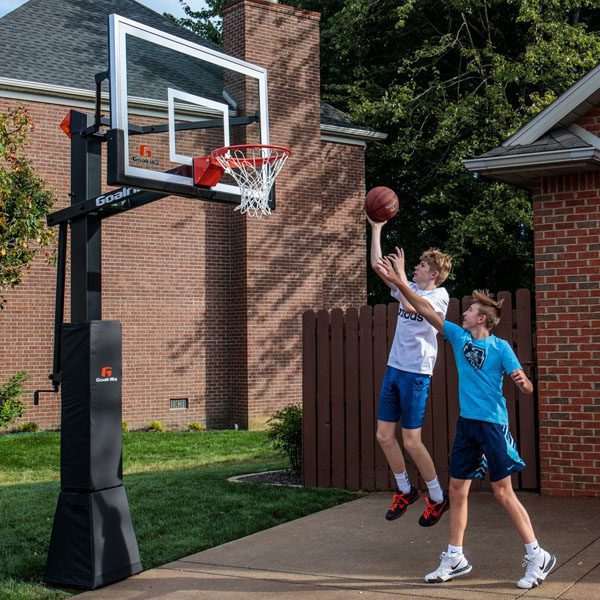
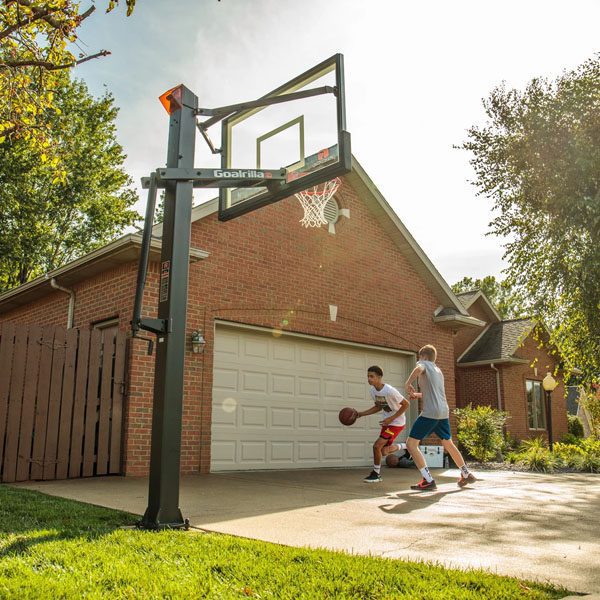
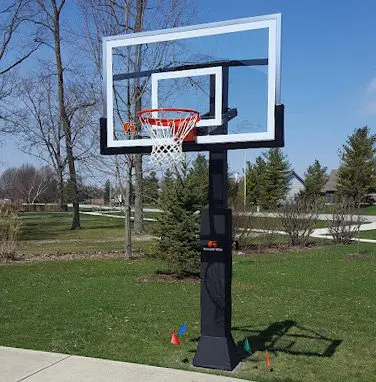
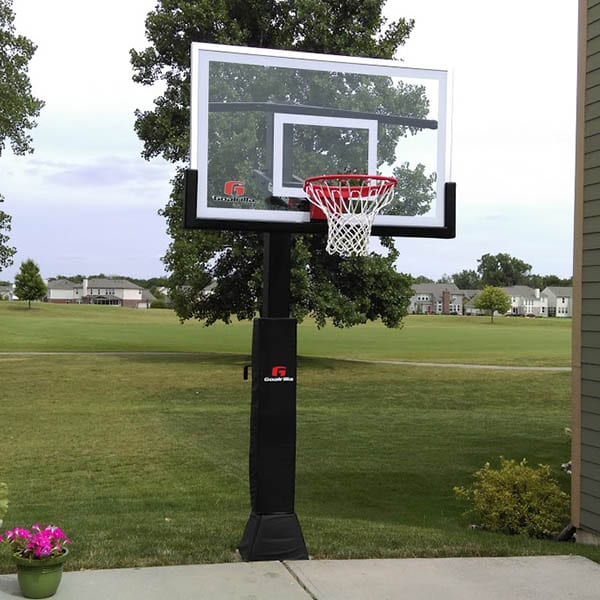
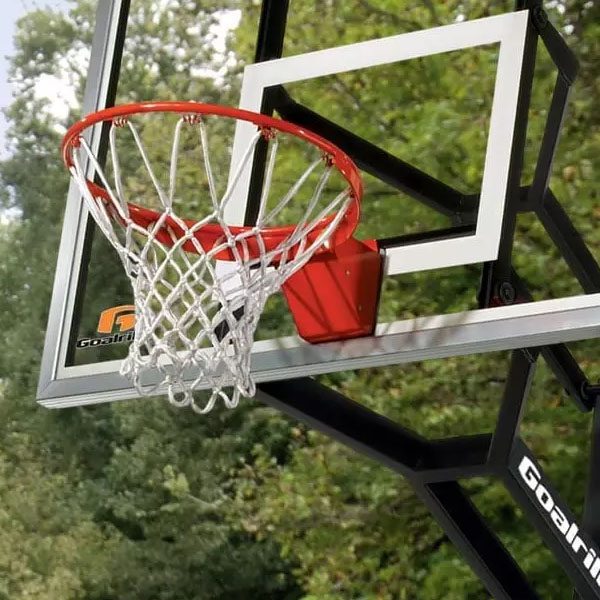
Year after year, BasketballGoalStore.com has delivered on giving our customers the BEST Goalrilla Black Friday deals on our top-selling in-ground, adjustable basketball goals. With a range of backboard sizes including 54″, 60″, and 72″, we’ve got something for everyone to enjoy for years to come! You definitely won’t want to miss out this year! Shop Goalrilla Black Friday Deals Black Friday 2022 Specials on Goalrilla Basketball Systems his is by far our biggest Goalrilla sale of the year and you don’t want to miss the chance of getting one of the top of the line goals at such an unbeatable… Read more »
When it comes to purchasing a basketball hoop, there are no shortage of options available. This is great news because whether you’re an amateur just looking to shoot a few hoops, or serious college or professional athlete, there’s a hoop out there to meet your needs. Let’s take a look at the various types of basketball hoops for home use: Common Types of Basketball Hoops for Home Use In its simplest form, basketball is a game of getting a ball through a hoop. The most basic type of basketball hoop is essentially a rim that can be attached to anything.… Read more »
Early on in the basketball goal shopping process, you’ll want to consider the best location to install your basketball hoop. This will be an important factor in which hoop you choose. If you plan to purchase a portable hoop, where you position the goal is not as crucial since the hoop can be moved fairly easily. If, however, you decide to invest in a more permanent goal such as a semi-portable in-ground unit or wall-mount hoop, the installation location becomes significantly more important. Location, Location, Location! You’ve probably heard this phrase a time or two in reference to purchasing a… Read more »
As soon as you begin your search for a basketball hoop, you’ll soon realize there is no shortage of brands and models available. Whether you’re a first time buyer or or looking to replace an existing system, here are some key factors to keep in mind when buying a basketball hoop: Installation Type This one of the primary factors to consider when purchasing a basketball hoop. There are 4 main basketball goal installation types. Portable Portable basketball hoops are generally cheaper and smaller than hoops that are cemented into the ground. These goals include a base that is stabilized with… Read more »
Yay, you did it! You finally made the decision to invest in a basketball hoop for you and your loved ones to enjoy for countless hours to come. And you’re probably thinking, “Now how do I install this hoop?”. You’ll need to decide whether you prefer to install the goal yourself or hire a professional installation company to handle the task. But don’t worry, we can help you decide whether a DIY basketball hoop installation is right for you! Should I Do the Basketball Hoop Installation Myself? Fortunately, Goalrilla goals are designed for homeowner installation, and people just like yourself… Read more »
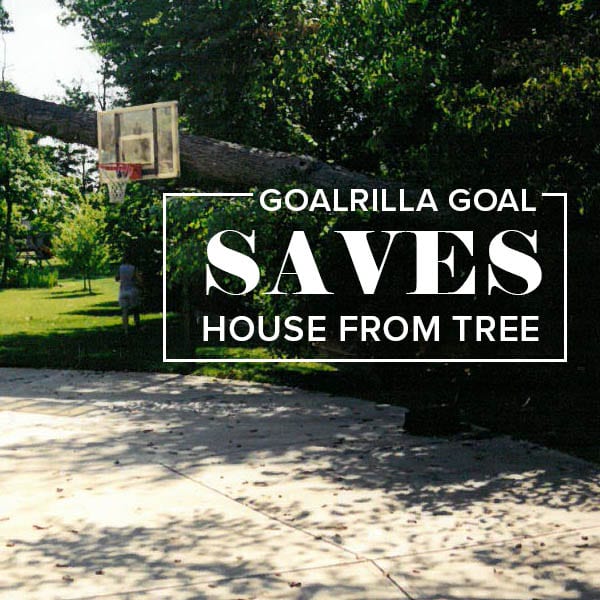
An Unlikely Hero Severe storms in the midwest can be pretty common in the warmer months of the year. These storms can produce large gusts of wind anywhere from thirty to seventy miles per hour, and in some cases even up to one hundred mile per hour. That being said, the strength of high winds often means that severe storms and storm damage go hand in hand. Although storms are common, the occurrence can cause a lot of added stress. Since mother nature is so unpredictable, you never really know how much damage may occur, or when to expect a… Read more »
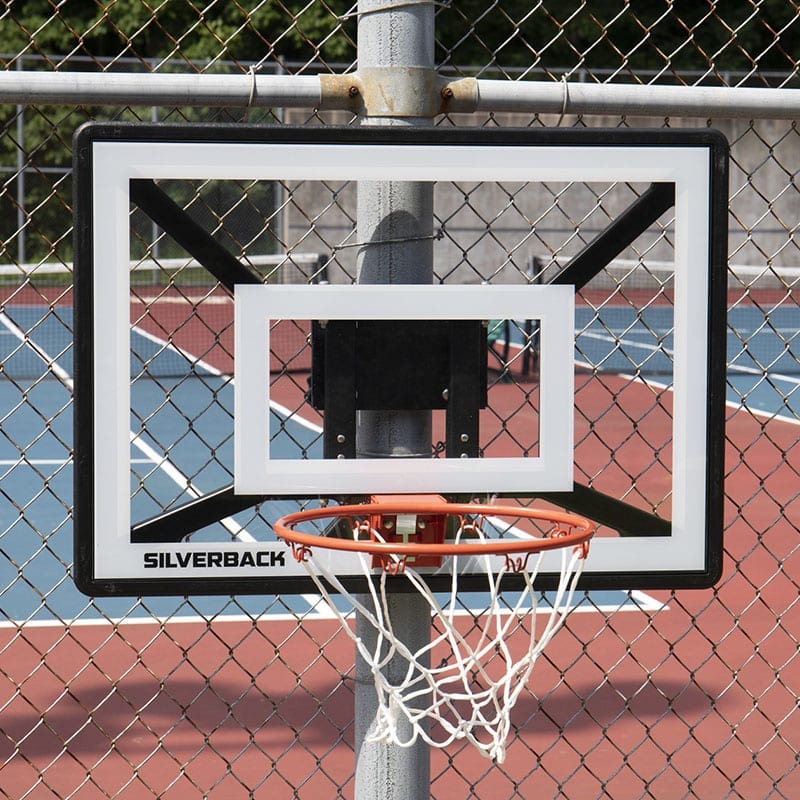
All of our full-size basketball systems can lower to 7.5 ft., but what about the littlest basketball stars? The Silverback Junior Hoop can be attached to any round or square pole that measures between 3”-6”. It is the perfect addition to any basketball-loving home, especially if the little ones would like to join in on the play. The installation process is super easy and features a quick Lock n’ Rock technology. In addition to this product being incredibly easy to install, it also features a breakaway rim that will give and flex as your family dunks and slams on their… Read more »
The Goalrilla GS54 and the Silverback 60″ In-Ground Basketball Hoop with Adjustable-Height Tempered Glass Backboard and Pro-Style Breakaway Rim (Silverback SB60) are both quality goals manufactured by Escalade Sports, but they do have several notable differences. As we begin to make some comparisons, it’s important to keep in mind that the Goalrilla system is designed to be a higher end goal, so in general, it is bigger and stronger. Goalrilla goals are intended to provide a regulation-like playing experience. Let’s examine some of the main differences when comparing the Goalrilla GS54 vs Silverback SB60. Goalrilla GS54 Silverback SB60 5″ x… Read more »
The NEW Goalrilla CV basketball goal with STBLZR Technology is redefining performance for residential hoops. Available in both 60” and 72” backboard sizes, STBLZR Technology significantly reduces the “shake” of a basketball goal after a dunk or rebound and completely stabilizes the backboard of the goal at regulation height. After a shock to the goal, some units will violently shake for up to a minute before coming to a rest. STBLZR Technology returns the hoop to its static, resting position quickly, allowing players to maximize practice time and stay focused on skill development. Utilizing the same technology used to eliminate… Read more »
When searching for a high-end residential basketball hoop the choices can be overwhelming. As a consumer you want to get the best goal at the best price possible. This poses the question: Which is the best goal and why? We’d like to approach the answer to this question by discussing the differences between Megaslam Hoops and Goalrilla goals. Basketball Goal Safety: MegaSlam vs. Goalrilla First and foremost, it’s important to take residential basketball goal safety seriously. Always make sure the system you’re considering purchasing has passed ASTM safety standards. The ASTM is an independent safety testing company that establishes safety… Read more »
A new basketball goal is an exciting (and sizable) investment, so it makes sense to do your research and compare the various models to find the one that best suits your needs. One question we often hear at BasketballGoalStore.com is “What’s the difference between the GS60c and the CV54?”. This is a logical question because the two goals are at similar price points (and outstanding goals since they are both Goalrilla). So, we’d like to shed some light on some notable differences. Benefits of the CV54 over the GS60c The GS60c is the entry level 60” model in the Goalrilla… Read more »
In addition to our Goalrilla Black Friday Specials for 2016, we are also offering great deals on three different Goalsetter basketball system models! These in-ground, adjustable systems are great for outdoor play and provide competition-grade performance! You will not be disappointed with the durability and playability these hoops provide. Sale Starts @ Midnight November 20th! Take a look at our line-up for this Black Friday: All three of these models can proudly state that they are made 100% in the USA! These goals feature a glass backboard supported by a steel H-frame, a heavy-duty breakaway rim, which is all supported by an… Read more »
Black Friday Specials on Goalrilla Basketball Systems With Black Friday quickly approaching, BasketballGoalStore.com has hard-to-beat deals on top of the line in-ground, adjustable basketball goals. Let’s take a closer look at the goals featured in this year’s sale: Goalrilla DC72E1 The best deals are on the premium lineup, starting with the Pro Series DC72E1 Basketball Goal System. The Goalrilla DC72E1 regulation-size goal features the clear view 72”x42” x ½” tempered glass backboard. The DC72E1 is the only basketball goal with the new Direct Connect Technology, which makes it the toughest Goalrilla basketball system, EVER! Unlike other adjustable goals which rely… Read more »
As you’ve probably realized by now, there are many residential basketball systems available on today’s market. At BasketballGoalStore.com, we carry two of the best-selling residential hoops in America: Goalrilla and Goalsetter. This article will help you understand some of the differences between the two basketball systems. Goalrilla Advantages Worm-Screw Actuator Goalrilla basketball systems are equipped with a worm-screw actuator, which is less likely to fail than other basketball systems. Most other residential goals use a gear adjustment system that raises and lowers the goal. Both technologies have been tested and the worm screw has been proven to last longer, and is more… Read more »
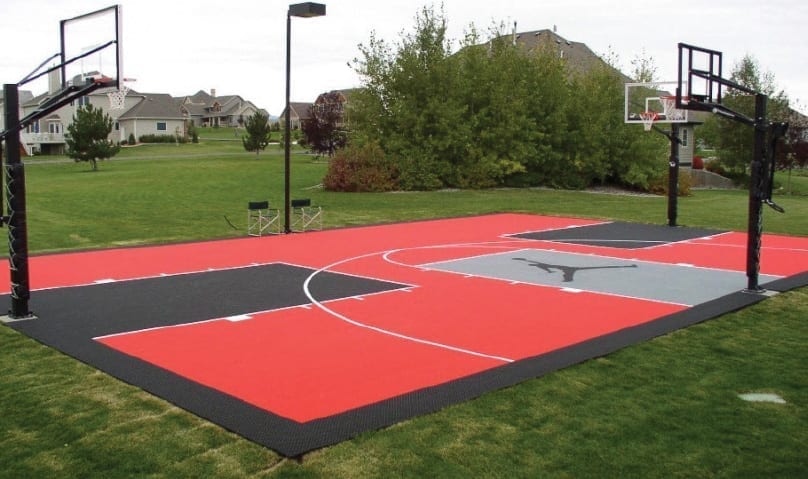
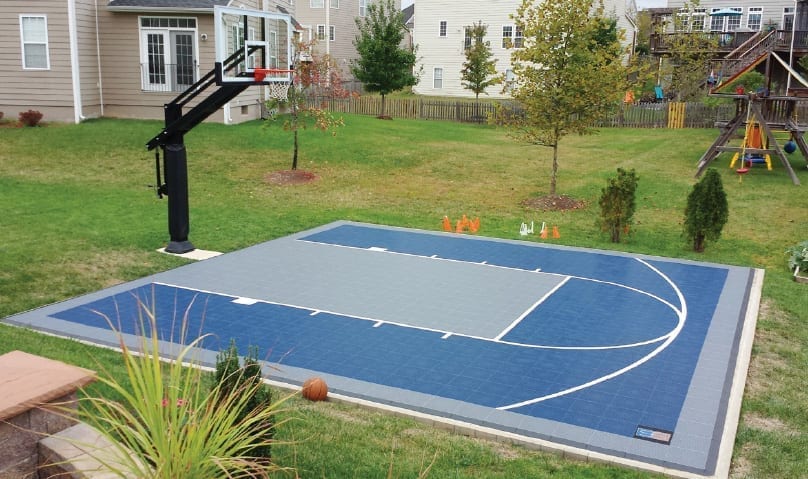
In Part 1 of our Basketball Court Building Guide we looked at the early planning stages of installing a basketball court and the various playing surfaces. In this article, we’ll examine the different size options for your basketball court. The size you choose to make your court will depend on the amount of available space and desired playing experience. Half Court Not quite sure if you need a full-court? Half-courts require less space, digging, surfacing, and one less basketball goal. They’re a nice addition without losing the space taken up by a full-court. Half Court (Narrow) A modified half-court still… Read more »
A basketball court can be a great addition to any home and is considered by many to be the best location to install a new basketball hoop. A home court is a great way to keep your children active outdoors and a popular neighborhood gathering place. If you have a young athlete who loves to compete, then you want to make sure he/she is playing on an authentic, standard court. Before You Start 1. Do you have the space? Some yards are limited, others are not. Make certain you have the space for not only the court, but additional space… Read more »
Congratulations! You’ve finally decided you need a basketball hoop to make your suburban dream home complete! But there are so many choices out there…how will you ever choose?! One of the most important things you will need to consider when buying a basketball hoop is what size backboard you will need for your new basketball court. Backboard sizes vary in width from 48” wide all the way up to 72”, but for the sake of regular game play we recommend choosing backboard no smaller than 54” wide. Anything narrower than this measurement won’t allow the player to perform bank shots… Read more »
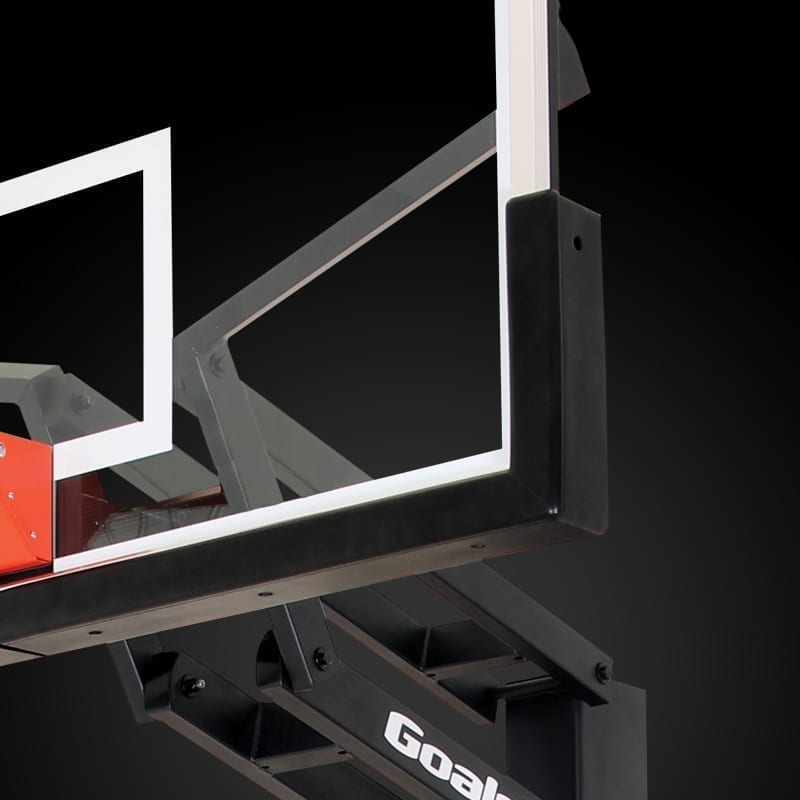
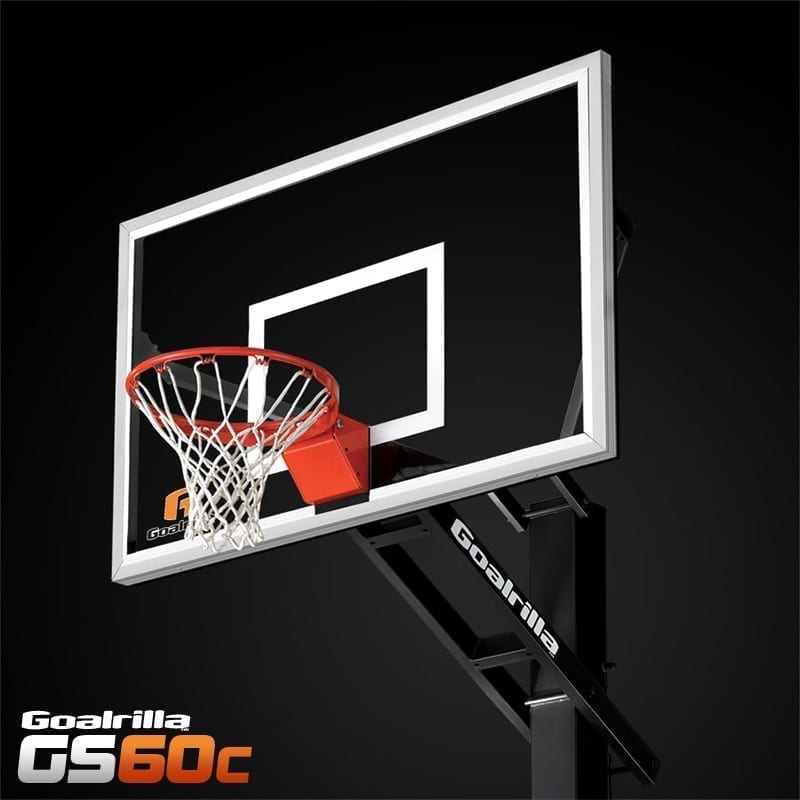
The Goalrilla GS60c is the Economy selection in the Goalrilla 60” lineup. The Goalrilla GS60c features a 60”x’36” clear view tempered glass backboard, 5.5”x 5.5” one-piece steel pole, and a 2.5’ overhang. Like all the Goalrilla systems, the GS60c is adjustable from 7.5’ to 10’ and has a tough baked on Powdercoat finish. The independent anchor system combined with the Goalrilla limited lifetime warranty make this a solid investment. What to Like Independent Anchor System: The Goalrilla GS60c features an independent anchor system. An independent anchor system allows you to take your investment with you if you move. The anchor system has… Read more »
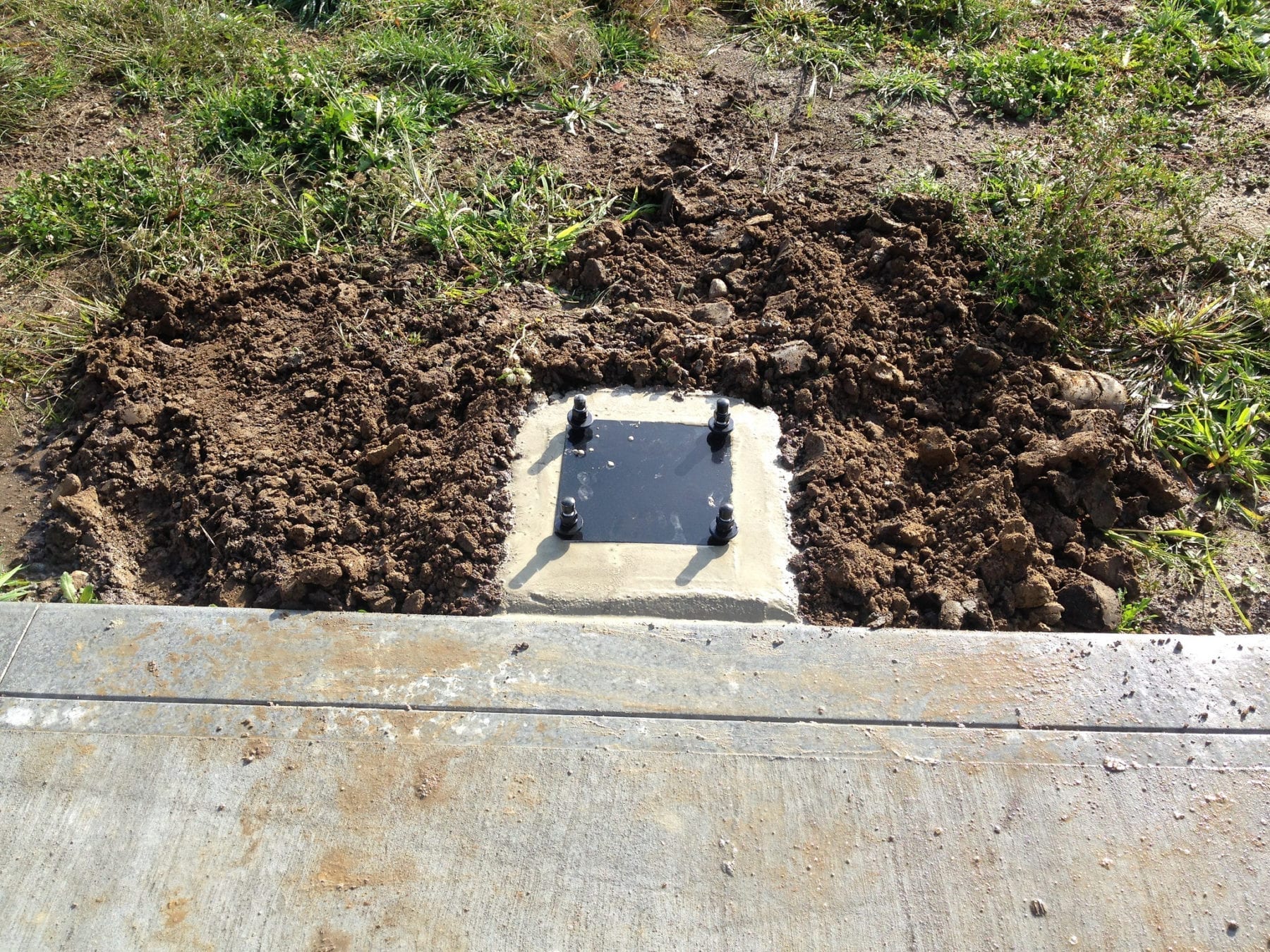
The Goalrilla installation always seems more daunting than it really is. The hardest part is digging the hole. The hole will be 4’ deep and about 18” around. There is no need for an auger, it can be dug by hand with a pair of post hole diggers. It is important that your anchor is installed correctly and at the proper depth to ensure that you are below the frost line and there is enough concrete weight to offset the weight of the goal. If you can dig the hole correctly, your work should be downhill from there. Be sure to consult… Read more »
Upgrade from Classic to Premium for only $99 Sale ends June 27, 2015 Now’s the time to buy that new basketball goal for the summer. Our current promotion lets you upgrade your purchase from a Classic Goalrilla Goal to a Premium Goalrilla of the same size for only $99. Take advantage of this promotion, and get an upgraded model with added features. If you’ve been on the fence between which model to choose, now is a great time to give our knowledgeable staff a quick phone call. They can walk you through how each model compares and the benefits of an upgrade. Upgrade from… Read more »
Accessories and parts will be shipped via UPS or FedEx Ground. Transit time is 3-5 business days.
Accessories that are purchased with a basketball goal will be packaged with the goal and delivered via freight shipping.
Shipping Procedure: Basketball Goals
Place Your Order
(online or over the phone)
Product ships from our warehouse
Product arrives at nearest hub
(typically your closest large city)
Freight shipper calls to set up delivery
Product delivered at specified time
You must be present to sign for delivery. Delivery is curbside and we recommend having someone to help with receiving the product.
Install & Enjoy!
Your new goal is ready to be installed & enjoyed by the whole family!
BasketballGoalStore.com will meet or beat the price of any exact product model sold online!
We require acceptable proof that such a price was quoted and the address of the competitive website. Our price match guarantee only applies to brand new, in the box, delivered product. Total price is defined by the current advertised price plus any applicable shipping and handling charges, so this is not a strict price match guarantee. Price match discounts cannot be combined with any other offers or promotions.
We match the pre-tax price. We do not take sales tax into consideration for price match purposes. We will not override sales tax to match a competitor's price. Price matching is at the sole discretion of BaksetballGoalStore.com and its employees, and may not apply to special sales and promotions, including, but not limited to Black Friday. Please call us at (800) 689-0281 to start a price match today!
 Best Price Guarantee
 (800) 689-0281
 0 items